
Gambling can severely impact financial stability by diverting essential funds, causing debt, and undermining long-term goals. It often damages personal relationships through trust issues, tension, and isolation. Emotionally, gambling addiction fosters guilt, anxiety, and hopelessness, trapping individuals in harmful cycles. Warning signs include excessive gambling, secrecy, and risk-taking despite losses. Practical strategies help manage risks by setting limits and seeking support amoicuci. Exploring these effects provides deeper insight into gambling’s complex consequences and ways to address them.
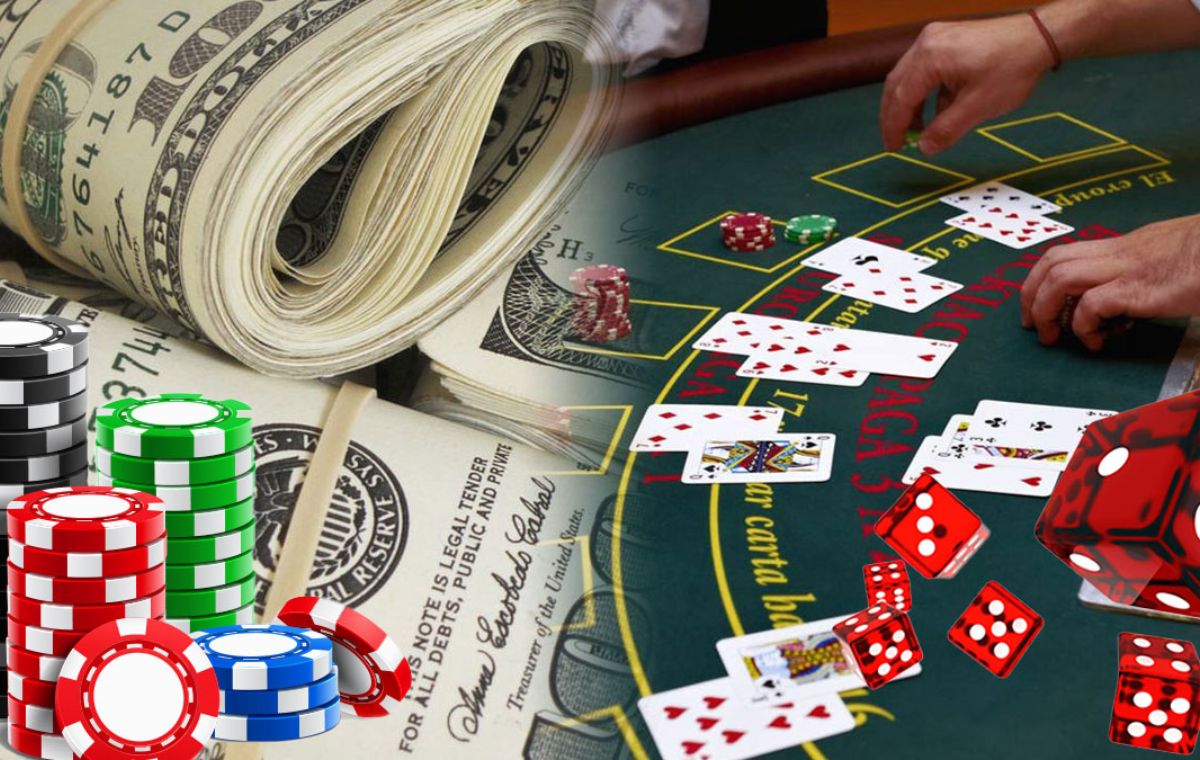
Gambling’s Impact on Your Finances
How does gambling affect an individual’s financial stability? Gambling can quickly erode financial security by diverting funds from essential expenses and savings toward uncertain bets.
This unpredictable drain on resources often leads to debt accumulation, diminished creditworthiness 1bet2u, and reduced capacity for future investments.
For those valuing autonomy, this loss of control over personal finances undermines the freedom to make choices aligned with long-term goals.
Without careful management, gambling risks destabilizing budgets and limiting financial independence.
Maintaining financial freedom requires recognizing these risks and setting firm boundaries to prevent gambling from compromising monetary stability and personal empowerment.
How Gambling Can Hurt Your Relationships
Financial difficulties caused by gambling often extend beyond individual consequences, straining personal relationships. Trust can erode when money is lost or hidden, creating tension and resentment.
Communication breakdowns frequently follow, as affected individuals may withdraw or become defensive. Emotional distance grows, limiting mutual support and understanding.
Social isolation may result if gambling behaviors dominate time and attention, reducing shared experiences. Family dynamics can shift under financial stress, impacting stability and freedom.
Ultimately, gambling’s ripple effects challenge the foundation of relationships, undermining connection and autonomy, and restricting the ability to maintain healthy, supportive bonds.
Warning Signs and Risks of Problem Gambling
Numerous indicators can signal the onset of problem gambling, each reflecting the escalating risks associated with the behavior. These include chasing losses, excessive time spent gambling, and neglecting responsibilities or relationships.
Financial strain often emerges as individuals exceed budgets or borrow money to continue gambling. Risk-taking intensifies despite negative consequences, revealing a loss of control.
Increased secrecy and withdrawal from social activities may also be evident. Recognizing these signs is crucial to preserving personal freedom and preventing deeper entanglement in gambling-related problems.
Early awareness allows for timely intervention and the opportunity to regain autonomy over one’s choices.

Emotional Effects of Gambling Addiction
Although gambling addiction primarily affects behavior, its emotional toll is profound and far-reaching. Individuals often experience intense feelings of guilt, shame, and anxiety as losses accumulate and control slips away.
The constant cycle of hope and disappointment can erode self-esteem, fostering a sense of helplessness and despair. Emotional distress may isolate individuals from support systems, deepening loneliness.
This emotional turmoil undermines personal freedom, trapping individuals in patterns that limit their ability to pursue fulfilling and autonomous lives. Recognizing these impacts is crucial to understanding the full scope of gambling addiction beyond its financial and social consequences.
Practical Ways to Manage Gambling Risks
While gambling carries inherent risks, there are effective strategies that individuals can adopt to minimize potential harm. Setting strict budgets ensures losses remain manageable, preserving financial freedom. Time limits prevent excessive play, promoting balance.
Seeking support from trusted friends or professional resources encourages accountability without judgment. Avoiding gambling as an emotional escape helps maintain control and mental clarity.
Staying informed about odds and game mechanics empowers smarter choices. By integrating these practical approaches, individuals can enjoy gambling responsibly, safeguarding personal well-being while maintaining autonomy over their decisions and lifestyle.
Conclusion
Gambling presents significant financial, social, and emotional risks that can profoundly affect individuals and their loved ones. Financial losses often lead to strained relationships and increased stress. Recognizing warning signs of problem gambling is crucial for early intervention. Emotional consequences such as anxiety and depression further complicate recovery. Implementing practical strategies to manage gambling behaviors can mitigate these risks, promoting healthier choices and fostering overall well-being. Awareness and support remain essential in addressing gambling’s multifaceted impact.